You can find it just about anywhere: conveyor belts, the local grocery store, food courts, or even the subway stations in Japan. No matter where you’re at, we are flooded with sushi options these days. It comes to no surprise then that sushi restaurants in the United States alone bring in about $2 billion in annual revenue, reports IBISWorld.
While the options abound, how much do we really know about this beloved delicacy that’s evolved and been made more accessible to just about everyone?
In this post we put together a list of things we found interesting about sushi that you may or may not have already known, in hopes of deepening your understanding of the art.
Sushi is an awesome source of omega-3 fatty acids (heart-healthy fat). Nori (seaweed) provides iodine (boosts thyroid health), and is a good source of vitamin A – vital to a healthy immune system and skin.
The earthquake had quite the lasting effect as it caused real estate prices to decline making purchasing storefronts more possible for sushi chefs, according to a Thrillist article.
While sushi is regarded as a sometimes luxury menu item, it wasn’t always the case. It was once a street food treated the same way we eat hot dogs or tacos, and after the earthquake, more sushi restaurants were appearing.
Traditionally, sushi is eaten with hands. “There is beauty in the process of the sushi experience where it’s made by hands, served by hands, and eaten by hands, so go ahead and use your hands,” says renowned sushi Chef Masaharu Morimoto in an interview with The Feast.
Morimoto personally prefers chopsticks for sashimi.
While Japan widely gets recognition for creating sushi the way we see it today, we have Southeast Asia to thank for inspiring modern sushi.
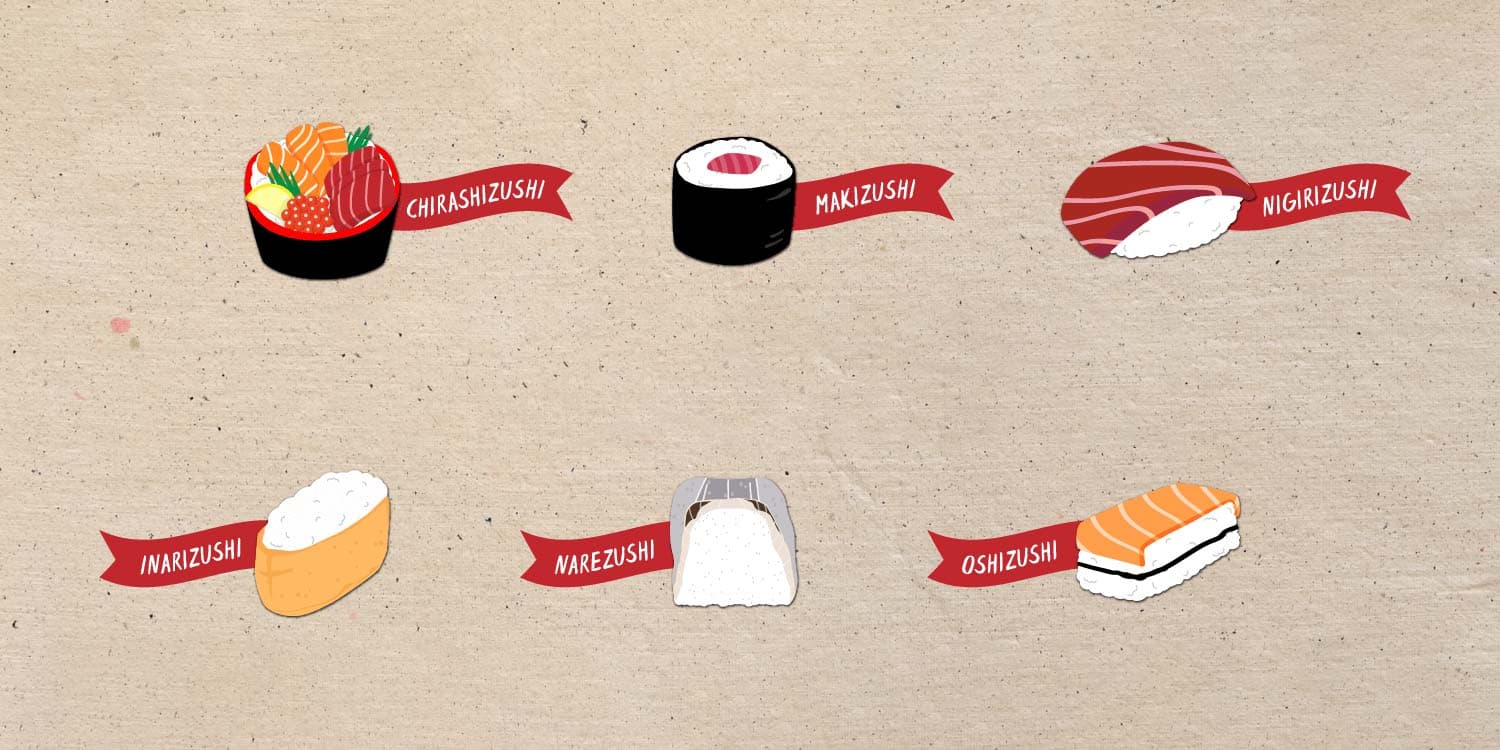
It is believed that “narezushi” (fermented fish wrapped in sour rice) emerged somewhere along the Mekong River before it reached China and eventually Japan, reports Trip Savvy.
Sushi we’re more familiar with today comes from Hanaya Yohei in Japan during the end of the Edo period around the mid 1800s.
According to authority figure in Japanese cuisine, Hiroko Shimbo, says sushi falls within one of the following types:
Excessively using soy sauce with sushi and having to throw out valuable soy sauce is highly discouraged. The proper way to enjoy your sushi is to pour the tiniest amount and only replenish as needed, according to Trip Savvy.
Sushi was once highly prized that people were allowed to use it to pay taxes in AD 8th century Japan, says Shimbo.
In the early days of sushi making, the rice used consisted of sour, fermenting rice that wrapped around aged fish – only to help in creating umami, a distinct sour taste. After the fermentation finished, the rice was thrown out and only the fish was eaten.
The rice also served as a way to preserve fish and to keep the flies away.
Traditionally, sushi in Japan should offer diners a feeling of spring, summer, fall, and winter. As a result, sushi chefs stateside and in Japan steer clear of out-of-season fish. Fish are in season when they’re the tastiest and fattest – normally as they’re getting ready to spawn, Shimbo says.
It is suggested that nigiri (a slice of fish on top of rice) be eaten upside down – for the best sushi dining experience. Nigiri is also normally eaten with your hands, reports Trip Savvy.
While soy sauce is served with sushi, the rice is not meant to be dipped. It is frowned upon if the rice becomes drenched and starts to fall apart.
It’s also not recommended to take off the fish from the rice to dip it as sushi chefs go through diligent techniques and training to assemble the sushi and rice.
While eating nigiri, it is traditionally eaten whole on the first try.
The sushi chef has already prepared the nigiri with wasabi between the rice and fish.
The pickled ginger that usually comes with your sushi isn’t meant to be topped on your sushi, but rather consumed in between bites of fish to cleanse the palate.
Wrapping up a traditional sushi experience, it is common practice to offer to buy your sushi chef a shot of sake in appreciation of your meal. If they accept, it is customary you take one with them. Cheers!
While there are lots of facts around sushi out there, we hope this list provided some deeper insight for the beloved art of sushi and the mastery behind it.
Are there any things you’d add to this list? Is there anything else you’d like to know about sushi? Let us know in the comments section as we’d love to hear from you!